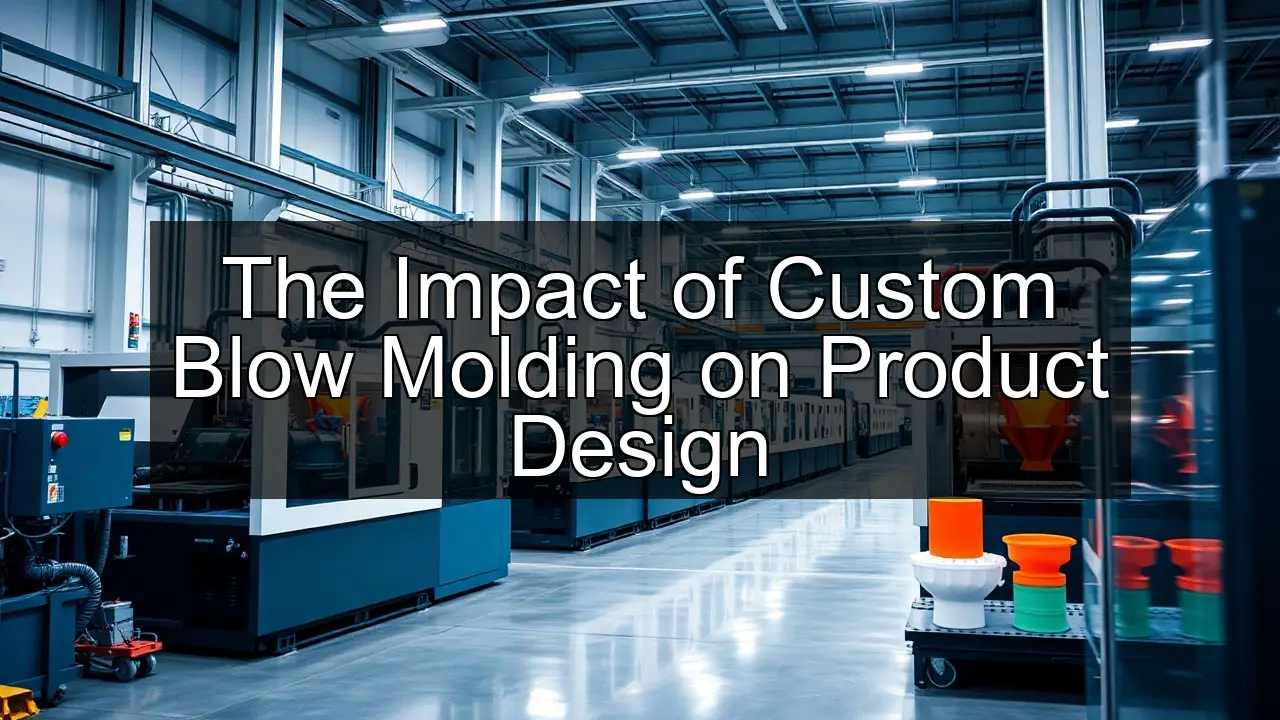
The Impact of Custom Blow Molding on Product Design
Understanding Custom Blow Molding
Overview of Blow Molding Techniques
Custom blow molding encompasses a series of manufacturing processes that shape plastic into hollow parts. This technique primarily involves three methods: extrusion blow molding, injection blow molding, and injection stretch blow molding. Each method has its unique strengths and applications, catering to different product requirements. Extrusion blow molding involves extruding a heated plastic tube, or parison, which is then inflated into a mold. Injection blow molding, on the other hand, molds the plastic preform through injection, followed by blowing it into shape. Injection stretch blow molding combines these techniques, enhancing the strength and clarity of the final product. Understanding these variations empowers manufacturers to select the most suitable method for their specific needs, optimizing both performance and cost.
Key Differences Between Extrusion and Injection Blow Molding
Extrusion and injection blow molding each offer distinct advantages, influencing product design and production efficiency. Extrusion blow molding is ideal for larger containers, such as plastic bottles, due to its ability to create wide and hollow shapes. This method typically results in lower material costs and quicker cycle times. Conversely, injection blow molding excels in producing smaller, intricate designs with precise tolerances. It allows for the integration of additional features, such as handles, directly into the design. Manufacturers often lean toward injection molding when aiming for high-quality finishes and enhanced aesthetics. Choosing between these methods hinges on balancing design complexity, production volume, and cost considerations.
The Role of Molds in Blow Molding Processes
Molds serve as the backbone of blow molding processes, shaping the molten polymer into the desired product. The design and precision of these molds significantly impact the final quality and functionality of blow molded products. High-quality molds, crafted from durable materials, ensure longevity and consistent performance in manufacturing plants. Custom molds can be engineered to meet specific design requirements, allowing companies to create unique products tailored to consumer needs. The mold-making process involves advanced machining techniques, ensuring that every detail aligns with the intended design. As a result, effective mold design enhances efficiency, reduces waste, and ultimately leads to a better end product.
Advantages of Custom Blow Molding in Product Design
Enhanced Design Flexibility for Consumer Products
Custom blow molding offers unparalleled design flexibility, allowing manufacturers to create a diverse array of consumer products. From intricate designs for cosmetics packaging to robust containers for industrial applications, this technique accommodates a wide range of shapes and sizes. The ability to customize molds means that companies can innovate without the constraints often associated with traditional manufacturing methods. This flexibility extends to accommodating various wall thicknesses and surface finishes, enabling brands to meet specific aesthetic and functional requirements. By leveraging custom blow molding, businesses can differentiate their products in competitive markets, appealing directly to consumer preferences and enhancing brand identity.
Cost Efficiency in Manufacturing and Prototyping
Cost efficiency stands as one of the primary advantages of custom blow molding. The manufacturing process typically involves lower material waste compared to other molding techniques, such as injection molding. This efficiency is crucial for businesses looking to reduce production costs while maintaining quality. Additionally, the rapid prototyping capabilities inherent in blow molding allow companies to test new designs quickly and economically. By utilizing 3D printing technology for mold creation, manufacturers can expedite the prototyping phase, minimizing time-to-market for new products. This combination of cost savings and speed makes custom blow molding an attractive option for businesses aiming to innovate without breaking the bank. blow molder
Sustainability and Environmental Considerations
Environmental sustainability increasingly influences product design, and custom blow molding aligns with these considerations. Many manufacturers are shifting toward using recycled plastics in their blow molded products, reducing the demand for virgin polymer materials. This shift not only lowers the carbon footprint but also appeals to eco-conscious consumers. Furthermore, blow molding processes tend to consume less energy compared to traditional manufacturing techniques. The ability to produce lightweight yet durable products contributes to transportation efficiency and lower emissions. Companies that prioritize sustainability in their manufacturing practices can enhance their brand reputation while meeting growing consumer demand for environmentally friendly products.
Applications of Custom Blow Molding
Innovations in Packaging Solutions
Custom blow molding revolutionizes packaging solutions across various industries. The versatility of blow molded products enables manufacturers to design packaging that not only protects the contents but also enhances shelf appeal. Companies are leveraging innovative designs to create unique shapes and sizes that stand out on store shelves. For instance, custom blow molded bottles for beverages feature ergonomic designs that improve user experience. Moreover, advances in barrier technology within blow molded containers help extend product shelf life, particularly in the food and beverage sector. This innovation in packaging not only fosters brand loyalty but also addresses consumer demands for quality and safety.
Impact on Electronics and Durable Goods
Custom blow molding extends its reach into the electronics and durable goods sectors, providing robust solutions for housing and protective enclosures. Blow molded cases can deliver lightweight yet durable protection for sensitive electronic components, ensuring they withstand everyday wear and tear. The ability to produce components with integrated features, such as ventilation or ergonomic grips, enhances usability while maintaining aesthetic appeal. Manufacturers can also design custom blow molded parts to adhere to strict industry standards, ensuring compliance and safety. This adaptability in design and durability positions blow molding as a key player in the manufacturing of innovative electronic products.
Customized Blow Molded Products in Food Safety
Food safety remains a paramount concern in product design, and custom blow molding addresses these issues effectively. Blow molded containers for food products benefit from the ability to create airtight seals, reducing contamination risks. Manufacturers can design containers that comply with stringent food safety regulations, ensuring that products remain fresh and safe for consumption. Additionally, customization allows for features such as easy-to-open lids and portion control, catering to the diverse needs of consumers. As the demand for convenient and safe food packaging grows, custom blow molding stands out as a viable solution for manufacturers committed to quality and consumer safety.
Future Trends in Custom Blow Molding
Integration of Automation in Manufacturing Plants
The future of custom blow molding lies in the integration of automation within manufacturing plants. Automation enhances production efficiency, reduces labor costs, and minimizes human error during the blow molding process. Automated systems can monitor production in real-time, ensuring consistent quality across batches. Manufacturers that embrace automation can respond swiftly to market demands, scaling production up or down as needed. This trend not only improves operational efficiency but also allows companies to allocate resources more effectively, focusing on innovation and product development. As technology advances, fully automated blow molding systems promise to revolutionize the manufacturing landscape.
Emerging Technologies in Blow Molding Machines
Emerging technologies in blow molding machines are paving the way for more efficient and versatile production capabilities. Innovations such as advanced control systems and improved heating technologies enhance the precision and speed of the blow molding process. Manufacturers are increasingly adopting hybrid machines that combine features from different molding techniques, offering greater design freedom and material compatibility. These advancements enable companies to produce complex shapes and enhance the performance of blow molded products. Staying at the forefront of these technological developments positions manufacturers as leaders in the market, ready to meet evolving consumer demands.
The Role of Engineering in Advancing Blow Molding Practices
Engineering plays a crucial role in the advancement of blow molding practices. Engineers focus on optimizing mold design, improving material formulations, and refining production processes to enhance overall efficiency and product quality. Through collaborative efforts between engineers and manufacturers, new methodologies can emerge, pushing the boundaries of what is achievable with blow molding. Continuous research into polymers and their properties facilitates the development of stronger, lighter materials tailored for specific applications. As engineering expertise drives innovation in blow molding, companies can expect to see improved product performance, reduced costs, and enhanced sustainability in their manufacturing practices.
See Also
- The Evolution of Custom Blow Molding Techniques in Manufacturing
- Innovative Custom Blow Molding Techniques for Sustainable Plastics
- Custom Blow Molding for the Modern Consumer Shifting Trends
- Exploring the Advantages of Injection Stretch Blow Molding
- How Custom Blow Molding Enhances Food Safety Standards