The Future of CNC Machining with Hybrid Technologies and Automation
The Evolution of CNC Machining Technologies
Historical Overview of CNC Machining
CNC machining revolutionized manufacturing when it first emerged in the mid-20th century. Engineers developed computer numerical control systems to automate machine tools, replacing manual operations with precise instructions fed via punch cards. Early milling machines and lathes transformed workshops, enabling fabricators to produce complex parts for the automotive and aircraft industries. By the 1970s, numerical control evolved into full computer integration, boosting efficiency in machine shops. Precision CNC machining became essential for tolerances down to microns, supporting sectors like aerospace where accuracy dictates safety. Today, this foundation drives modern cnc machine shops, where cnc milling and cnc turning handle everything from prototypes to high-volume production. Historical shifts laid the groundwork for cnc fabrication, turning rudimentary tooling into sophisticated systems that define precision engineering. Manufacturers now rely on this legacy to meet demands for custom machining, ensuring consistent quality across metals and plastics.
Introduction of Hybrid Technologies
Hybrid technologies mark a pivotal shift in CNC machining by blending traditional subtractive methods with additive and other processes. Engineers integrate computer numerical control with elements like 3D printing or laser cutting, creating versatile hybrid CNC tools that streamline workflows. This approach addresses limitations of standalone machinery, such as material waste in milling machines. In precision CNC machining, hybrid systems allow fabricators to switch seamlessly between cutting and building, ideal for rapid prototyping in the automotive sector. Tooling innovations, including multi-axis mills combined with additive heads, enhance design flexibility for intricate components. The rise of these hybrids reflects the cnc machining industry's push toward efficiency, where manufacturers reduce setup times and improve surface finishes. Precision engineering benefits immensely, as hybrids enable tighter tolerances on alloys like titanium without compromising speed. Overall, hybrid technologies propel cnc manufacturing forward, offering cnc services that cater to diverse needs in fabrication and beyond.
Advancements in Automation
Automation has propelled CNC machining into a new era of reliability and speed. Robotic arms now load and unload parts on cnc machines, minimizing human error and accelerating production cycles. In precision CNC machining, automated calibration ensures consistent accuracy, vital for industries like aircraft where even minor deviations prove costly. Advancements include AI-driven monitoring that predicts tool wear on milling machines and automatic lathes, extending machinery lifespan. Fabricators integrate these systems in cnc machine shops to handle complex tasks, from cnc milling to electrical discharge machines (EDM). Automation in the cnc machining technology landscape fosters seamless integration with CAD designs, enabling precise execution of engineering specifications. Manufacturers report up to 50% faster throughput, transforming custom machining into a competitive edge. As automation evolves, it reshapes the precision manufacturing sector, making high-volume cnc fabrication accessible while upholding stringent tolerances across metals, plastics, and composites.
Integrating Hybrid Technologies in CNC Machining
Benefits of Hybrid CNC Tools
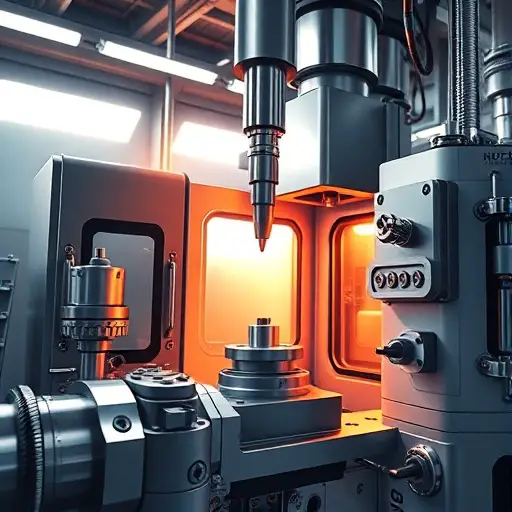
Hybrid CNC tools deliver unmatched versatility by merging subtractive and additive capabilities in one platform. Fabricators gain from reduced material costs and faster lead times, as these tools eliminate the need for multiple machines. In precision CNC machining, hybrids excel at producing parts with intricate geometries, such as turbine blades for aircraft, where traditional tooling falls short. Benefits extend to enhanced accuracy through synchronized processes, ensuring tolerances below 0.01 mm. Engineering teams appreciate the streamlined workflow, from design to finished product, without transferring components between stations. Cnc machining services powered by hybrids support diverse applications, including automotive prototypes and medical devices. Tooling advancements, like adaptive spindles, optimize cutting for various metals and plastics. Ultimately, these tools drive efficiency in the cnc precision engineering field, lowering operational costs while elevating output quality for manufacturers seeking reliable precision machining techniques.
Combining CNC with 3D Printing
Combining CNC with 3D printing creates powerful hybrid systems that redefine fabrication possibilities. Engineers start with additive layers to build core structures, then use CNC milling for precise finishing, achieving superior surface finishes unattainable by printing alone. This integration shines in rapid prototyping, where cnc custom machining refines printed parts for automotive and aerospace uses. Precision CNC machining benefits from this duo, as 3D printing handles complex internals while CNC ensures external tolerances. Fabricators in cnc machine shops report halved production times, crucial for iterative designs in engineering projects. Materials like titanium alloys and plastics adapt seamlessly, with CNC removing supports post-printing. The cnc machining industry leverages this for high-precision components, blending the strengths of both technologies to minimize waste and maximize accuracy. As adoption grows, cnc services incorporating 3D printing emerge as staples in precision manufacturing, offering innovative solutions for intricate tubing and sheet metal work.
Role of Laser and Plasma Cutting in Hybrid Systems
Laser and plasma cutting play crucial roles in hybrid CNC systems, adding high-speed contouring to traditional machining. Laser cutting delivers clean edges on sheet metal and thin alloys, integrating with mills for comprehensive fabrication. In precision CNC machining, these methods enhance efficiency for aircraft panels, where heat management prevents warping. Plasma cutting tackles thicker metals like copper or steel, complementing CNC turning for robust parts. Hybrid setups automate transitions, using robotics to position workpieces accurately. Fabricators benefit from reduced tooling needs, as lasers handle intricate designs without physical tools. The cnc fabrication process gains precision engineering depth, achieving tight tolerances on composites and metals. Manufacturers in the cnc machining services sector use these for custom applications, from automotive frames to electrical components. Overall, laser and plasma integration boosts the cnc manufacturing landscape, enabling faster, more versatile production with superior accuracy and minimal post-processing.
The Impact of Automation on Precision Machining
Automation in CNC Programming
Automation in CNC programming streamlines code generation, allowing engineers to focus on innovation rather than manual inputs. Software now converts CAD models directly into G-code for cnc machines, cutting programming time by 70%. In precision CNC machining, automated tools simulate operations to detect errors pre-run, ensuring flawless execution on milling machines and lathes. This shift empowers cnc machine shops to handle complex cnc programming for custom parts in the automotive industry. Integration with CAM systems refines paths for optimal tool usage, enhancing accuracy on materials like titanium. Fabricators achieve consistent results across batches, vital for precision engineering. As automation advances, it democratizes access to sophisticated cnc services, reducing reliance on expert coders. The result? Faster turnaround in cnc precision machining, where automated programming drives efficiency and supports emerging techniques in fabrication and prototyping.
Enhancing Accuracy with Robotics
Robotics elevates accuracy in precision CNC machining by providing steady, repeatable movements beyond human capability. Robotic arms integrate with cnc milling machines to perform multi-axis operations, holding tolerances as fine as 0.005 mm for aircraft components. Calibration routines automated by sensors maintain precision over long runs, countering heat-induced expansions in metals. In cnc machine shops, robotics handle loading of electrodes for EDM processes, minimizing setup errors. Engineering teams leverage this for high-stakes applications like medical implants, where accuracy ensures functionality. The cnc machining technology evolves with collaborative robots that work alongside operators, boosting productivity in custom machining. Fabricators see reduced scrap rates, as robotics enforce consistent paths on plastics and alloys. Ultimately, this integration fortifies precision manufacturing, making cnc services indispensable for industries demanding unwavering reliability and tight tolerances.
Cost Reduction Strategies through Automation
Automation slashes costs in precision CNC machining by optimizing resource use and minimizing downtime. Automated tool changers on cnc machines reduce manual interventions, cutting labor expenses by up to 40%. In cnc fabrication, predictive maintenance via sensors prevents breakdowns, extending machinery life for mills and lathes. Manufacturers implement these strategies in automotive production, where automated workflows handle high volumes of titanium parts efficiently. Outsourcing certain automated tasks to specialized cnc machining services further trims overheads. Precision engineering gains from streamlined processes that lower energy consumption during plasma cutting or 3D printing hybrids. Fabricators track ROI through data analytics, refining operations for composites and sheet metal. As the cnc machining industry adopts these tactics, cost-effective precision machining becomes standard, enabling smaller shops to compete with large-scale operations while upholding quality in every machined component.
Materials and Their Influence on Machining Processes
Working with Titanium Alloys and Metals
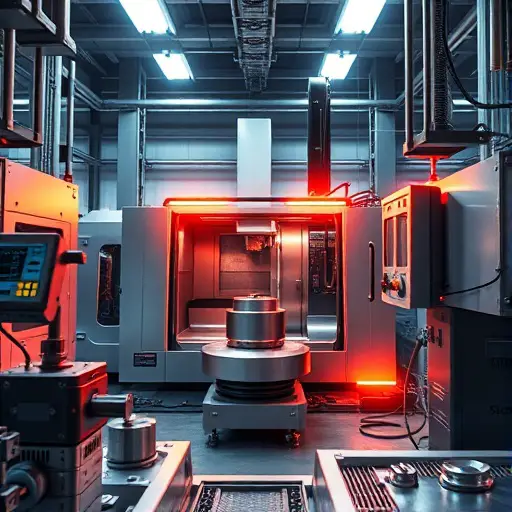
Titanium alloys challenge and reward CNC machining with their strength-to-weight ratio, ideal for aircraft and medical applications. Precision CNC machining requires specialized tooling to combat titanium's heat resistance, using flood coolants to manage temperatures during milling. Engineers select carbide tools for cnc turning operations, achieving tolerances under 0.01 mm on titanium tubing. Metals like copper and gold demand different approaches; copper's conductivity suits EDM for intricate electrodes, while gold needs gentle handling to preserve value. In cnc machine shops, hydraulic clamps secure workpieces, preventing vibrations that compromise accuracy. The cnc machining services sector tailors processes for these alloys, integrating laser cutting for clean edges. Fabricators balance speed and finish, ensuring alloys meet engineering specs without defects. This expertise drives innovation in precision manufacturing, where titanium and metals fuel advancements in automotive and aerospace fabrication.
Precision Machining of Plastics and Composites
Plastics and composites demand nuanced precision CNC machining to avoid melting or delamination under tool pressure. High-speed spindles on cnc milling machines cut acrylic or carbon fiber with diamond-coated tools, maintaining sharp edges for automotive interiors. Engineers program conservative feeds in CAM software to control heat, preserving material integrity in composites used for aircraft panels. Cnc custom machining excels here, producing lightweight parts with tolerances rivaling metals. Fabrication involves vacuum fixturing to hold plastics securely, enabling complex geometries via 3D printing hybrids. The cnc precision engineering field addresses challenges like static buildup in plastics, using anti-static tooling for flawless surface finishes. Manufacturers in machine shops integrate these techniques for rapid prototyping, blending plastics with alloys for hybrid components. Precision machining of these materials enhances efficiency, supporting sustainable practices in the cnc manufacturing ecosystem.
Surface Finishing Techniques for Different Materials
Surface finishing techniques tailor precision CNC machining outcomes to material properties, ensuring functionality and aesthetics. For metals like titanium alloys, electrochemical polishing removes burrs post-milling, yielding mirror-like finishes for aircraft parts. Plastics benefit from vapor smoothing to eliminate layer lines from 3D printing integration, ideal for medical tubing. Composites undergo disk grinding for uniform textures, enhancing adhesion in automotive assemblies. Cnc machine shops employ automated sandblasting on copper and gold to achieve matte surfaces without altering dimensions. Engineers select techniques based on tolerances, using laser texturing for precise patterns on sheet metal. In the cnc fabrication realm, these methods reduce secondary operations, streamlining workflows. Precision engineering relies on consistent finishes to meet industry standards, from anodizing alloys to coating plastics. Advanced cnc services incorporate multi-step processes, delivering high-quality machined parts across diverse materials.
Future Trends in Precision CNC Machining
The Role of CAD and CAM in Future Designs
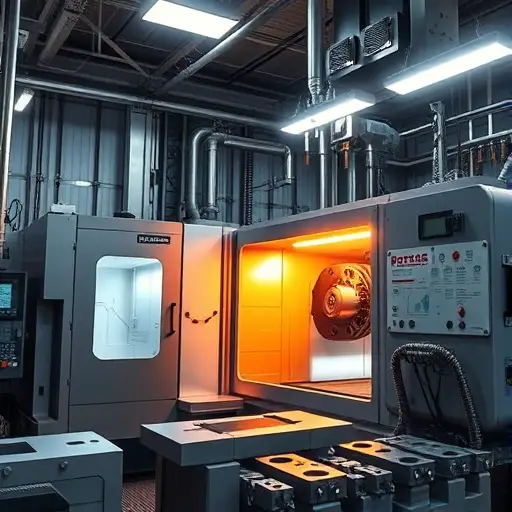
CAD and CAM software will dominate future precision CNC machining by enabling virtual testing of designs before production. Engineers model intricate parts in CAD, then CAM generates optimized toolpaths for cnc machines, predicting issues like tool deflection on titanium. This duo accelerates cnc programming, supporting hybrid technologies like 3D printing for automotive prototypes. In precision engineering, AI-enhanced CAM adapts to real-time data, refining accuracy during milling or turning. Fabricators integrate these tools in cnc machine shops for seamless transitions from design to fabrication. The cnc machining industry anticipates cloud-based collaboration, allowing global teams to iterate on composites and metals. Outsourcing CAD/CAM services emerges as a trend, easing burdens on in-house teams. Ultimately, these technologies propel cnc services forward, fostering innovation in precision manufacturing with unprecedented efficiency and detail.
Outsourcing vs. In-house Machining
Outsourcing precision CNC machining offers flexibility for companies lacking in-house capacity, while in-house setups provide control over quality and timelines. Manufacturers outsource to specialized cnc machining services for complex titanium work, tapping expertise in EDM or plasma cutting without capital investment. In-house machining suits high-volume automotive runs, where dedicated cnc mills ensure consistent tolerances. Cost comparisons favor outsourcing for prototypes, as external machine shops handle rapid scaling with hybrid tools. Engineering decisions hinge on IP protection; in-house keeps designs secure for aircraft parts. The cnc fabrication landscape blends both, with many firms hybridizing operations via cnc custom machining partners. Precision engineering benefits from outsourced robotics integration, reducing setup costs. As trends evolve, strategic outsourcing enhances competitiveness, allowing focus on core innovations while upholding accuracy in plastics and alloys processing.
Emerging CNC Machining Services and Technologies
Emerging CNC machining services incorporate AI and IoT for predictive precision, transforming the industry landscape. On-demand cnc services via digital platforms connect designers to global machine shops for instant quotes on milling or turning jobs. Technologies like nanoscale CNC promise ultra-precise fabrication for electronics, using advanced calibration to machine gold and copper at atomic levels. Hybrid advancements blend automation with sustainable practices, recycling plastics in closed-loop systems for composites. In precision CNC machining, blockchain ensures traceability for aerospace suppliers, verifying tolerances from design to delivery. Fabricators explore adaptive tooling that self-adjusts during operations, minimizing errors in titanium alloys. The cnc manufacturing sector sees growth in mobile cnc units for field repairs in automotive. These innovations drive cnc precision engineering, offering scalable services that address related demands like precise machining techniques and custom fabrication, ensuring the future remains dynamic and efficient.
See Also
- How Robotics is Revolutionizing the World of CNC Precision Machining
- Unlocking the Secrets of Precision CNC Machining for Aerospace Applications
- Exploring the Cost-Effectiveness of Outsourcing Precision CNC Machining Services
- Exploring the Benefits of Precision CNC Machining in Automotive Manufacturing
- From CAD to Reality The Journey of Precision CNC Machining