Precision Perfected the Art of VMC Machining in Modern Engineering
The Evolution of VMC Machining in Modern Engineering
Historical Development of VMC Machines
Engineers first conceptualized vertical machining centers (VMCs) in the mid-20th century as a response to the limitations of manual milling machines. These early VMC machines emerged from the need for greater efficiency in producing complex parts, building on the foundations of traditional lathe machines and drill presses. By the 1950s, manufacturers in America began experimenting with vertical orientations to improve chip evacuation and operator access, marking a shift from horizontal setups. This innovation allowed machinists to handle heavier workpieces without compromising stability. As demand grew in industries like automotive and toolroom operations, companies refined VMC designs to incorporate rigid frames and better tooling systems. The introduction of hydraulic clamping mechanisms further enhanced setup times, reducing downtime in production environments. Over decades, these machines evolved from basic prototypes into sophisticated units capable of high-volume output. Today, historical VMC developments underscore the importance of iterative engineering, where each advancement addressed real-world challenges like vibration control and surface finish quality. Precision machining owes much to this progression, as VMC technology laid the groundwork for modern CNC machining centers that dominate global manufacturing.
Key milestones include the 1960s adoption of servo motors for axis control, which boosted accuracy and precision in machining operations. American firms led the charge, exporting VMC machines worldwide and establishing standards for machining technology. This era also saw the rise of specialized VMC milling machines tailored for die-making and mold production, influencing how machinists approach intricate geometries. Without these historical strides, contemporary VMC machining services would lack the reliability that clients expect from a reputable machining company.
Impact of CNC Technology on Machining Centers
CNC technology revolutionized machining centers by automating complex sequences that once relied on skilled operators' manual adjustments. Introduced in the 1970s, computer numerical control (CNC) integrated into VMC machines, enabling precise path programming for milling cutters and tools. This shift transformed vertical machining centers into versatile workhorses, capable of executing multi-axis movements with minimal error. Manufacturers quickly adopted CNC machining, as it slashed production times and elevated part consistency across batches. In CNC machine shops, operators now focus on oversight rather than constant intervention, freeing resources for innovation. The impact extends to tooling integration, where CNC systems optimize spindle speed and feed rates to prevent tool breakage and extend life. For instance, a CNC VMC machining setup can produce aerospace components with tolerances under 0.001 inches, a feat unattainable with manual methods. This technology also spurred the growth of CNC machining services, allowing smaller firms to compete with large-scale producers. Overall, CNC's infusion into VMC machines democratized high-precision engineering, making advanced capabilities accessible to diverse industries.
Beyond speed, CNC enhances safety in machine tools by enclosing hazardous areas and incorporating error-detection software. In America, ISO 9001-certified companies leverage CNC VMC machining to meet stringent quality benchmarks, ensuring compliance in regulated sectors. The synergy between CNC and VMC technology continues to evolve, driving efficiencies that redefine modern engineering practices.
Advancements in Tooling and Spindle Speed
Recent advancements in tooling and spindle speed have elevated VMC machining to new heights of performance and reliability. High-speed spindles, now reaching 20,000 RPM or more, enable faster material removal rates without sacrificing accuracy and precision. Tool manufacturers develop carbide end mills and indexable inserts designed specifically for CNC machining centers, reducing deflection and heat buildup during operations. These innovations allow VMC machines to tackle tough alloys like titanium, common in aerospace engineering. Gantry-style VMCs benefit immensely, as enhanced spindle designs support larger tools for oversized parts. Machinists appreciate how quick-change tooling systems minimize setup times, boosting throughput in production runs. In vertical machining, adaptive controls adjust spindle speed dynamically based on load, preventing overloads and optimizing energy use. Companies investing in these upgrades report up to 30% productivity gains, underscoring the value of forward-thinking machining solutions.
Furthermore, coatings like diamond-like carbon on milling cutters extend tool life in abrasive environments, a boon for toolroom applications. As VMC technology advances, integration with monitoring sensors provides real-time data on spindle performance, enabling predictive maintenance. This proactive approach minimizes downtime, a critical factor for machining companies offering VMC services. The ongoing push for higher spindle speeds aligns with broader trends in precision machining, ensuring VMC machines remain indispensable in competitive markets.
Understanding the Mechanics of VMC Machining
Components of a VMC Machine
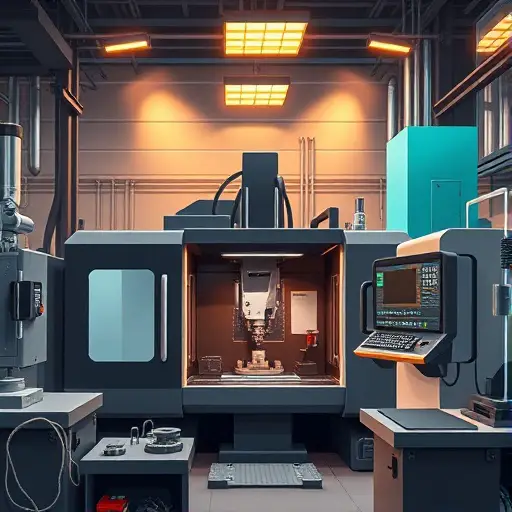
A VMC machine comprises several core components that work in unison to deliver exceptional machining performance. The base and column form the rigid backbone, absorbing vibrations to maintain accuracy and precision during high-speed operations. Linear guides and ball screws drive the X, Y, and Z axes, providing smooth motion for the spindle head and table. The spindle itself, powered by a robust motor, holds tools like end mills and drills, rotating at variable speeds to suit different materials. Control panels house the CNC system, interfacing with operators to execute programmed instructions. Workholding devices, such as vises or pallets, secure parts firmly, preventing movement that could compromise finishes. Coolant systems spray lubricants to manage heat and flush chips, essential in prolonged milling sessions. Electrical enclosures protect sensitive electronics, while safety interlocks ensure operator protection. These elements combine to make VMC machines reliable for diverse tasks, from prototyping to full-scale production.
In modern setups, optional features like automatic tool changers expand versatility, allowing seamless swaps between milling cutters and lathe tools. Manufacturers in America emphasize modular designs, enabling customization for specific needs in CNC machine shops. Understanding these components empowers machinists to optimize VMC machining processes, maximizing output while upholding quality standards.
The Role of CNC in Precision Machining
CNC plays a pivotal role in precision machining by translating digital designs into flawless physical components through VMC machines. Programmers use CAD/CAM software to generate G-code, which dictates tool paths, speeds, and depths with micron-level detail. This automation eliminates human error, ensuring consistent results across high-volume runs. In vertical machining centers, CNC controls synchronize multiple axes, enabling complex contours that manual methods struggle to achieve. For VMC machining parts, features like look-ahead capabilities anticipate collisions, safeguarding expensive tools and workpieces. CNC also facilitates simulation before actual cutting, reducing scrap and material waste in engineering workflows. Machining companies rely on advanced CNC systems to meet tight tolerances, such as those required for medical implants or automotive gears.
Beyond basics, CNC integrates with sensors for adaptive machining, adjusting parameters in real-time based on tool wear or material variations. This intelligence elevates VMC technology, making it a cornerstone of computer numerical control machining. As industries demand ever-finer precision, CNC's role in VMC operations continues to expand, driving innovations in machining techniques and services.
Comparison of VMC with Traditional Machining Methods
VMC machining outpaces traditional methods in speed, accuracy, and versatility, offering clear advantages for modern production. Unlike manual milling machines or lathes, which depend on operator skill for path control, VMCs use CNC to automate repetitive tasks with unparalleled precision. Traditional setups often require multiple fixtures and setups for complex parts, whereas a single VMC program handles intricate geometries efficiently. Chip management improves in vertical machining, as gravity aids evacuation, reducing tool clogs compared to horizontal mills. Setup times drop dramatically with VMC's pallet changers, contrasting the labor-intensive rigging of older machine tools. While traditional methods suit low-volume, custom work, VMC excels in scalability, producing VMC parts at rates that boost profitability for machining services.
Cost-wise, initial investment in VMC machines pays off through reduced labor and error rates, unlike the ongoing training needs for manual machinists. In terms of surface quality, VMC's high spindle speeds yield smoother finishes without secondary operations. However, traditional techniques retain value for ultra-simple jobs or shops lacking CNC expertise. Overall, VMC's integration of automation and precision positions it as the superior choice for forward-looking engineering firms seeking machining solutions.
Applications of VMC Machining Across Industries
Aerospace Engineering and VMC Solutions
Aerospace engineering heavily relies on VMC machining solutions for crafting lightweight, durable components that withstand extreme conditions. VMC machines produce turbine blades, landing gear struts, and fuselage frames with the exacting tolerances demanded by aviation standards. CNC VMC machining ensures material integrity in alloys like Inconel, where precision prevents failures in flight. Manufacturers use multi-axis VMCs to machine contoured surfaces, integrating features like cooling channels in one setup. This efficiency cuts lead times, critical for just-in-time deliveries in the sector. Tooling advancements allow VMC to handle hybrid materials, blending metals with composites for weight savings. American aerospace giants partner with specialized VMC machining companies to maintain supply chains compliant with AS9100 certifications, surpassing basic ISO 9001 requirements.
In practice, VMC services enable rapid prototyping of engine parts, accelerating design iterations. Machinists program CNC paths to optimize chip load, enhancing tool life amid high-stress operations. As aerospace pushes boundaries with electric propulsion, VMC's adaptability supports emerging needs, solidifying its role in innovative engineering.
Utilizing VMC in Additive Manufacturing
VMC machining integrates seamlessly with additive manufacturing, providing post-processing finesse to hybrid workflows. After 3D printing layers via selective laser sintering or other methods, VMCs remove support structures and achieve final dimensions with milling cutters. This combination yields parts blending additive's design freedom with subtractive precision, ideal for complex internals like heat exchangers. CNC machining centers equipped for VMC handle both metal and polymer builds, ensuring surface accuracy unattainable by printing alone. In production, VMC refines lattice structures, enhancing strength without excess weight. Machining companies offering VMC services bridge the gap, turning rough AM prototypes into functional components ready for assembly.
Toolroom experts leverage VMC's spindle speed versatility to polish delicate features, minimizing distortion in heat-sensitive materials. As additive manufacturing scales, VMC's role grows in finishing operations, supported by software that aligns digital twins from print to mill. This synergy advances machining technology, enabling industries to explore bold designs with confidence in end-quality.
Machining Techniques in Toolroom and Production Environments
In toolroom and production environments, VMC machining techniques emphasize efficiency and repeatability for diverse applications. Toolrooms use VMC machines for crafting dies, molds, and custom fixtures, employing high-precision milling to match blueprints exactly. Production lines deploy CNC VMC setups for batch processing of brackets, housings, and gears, where quick tool changes sustain flow. Techniques like trochoidal milling reduce cycle times on hard materials, while adaptive clearing strategies optimize roughing passes. Machinists fine-tune feeds and speeds via CNC controls, balancing speed with tool integrity in high-output scenarios. VMC's vertical orientation suits overhead loading, streamlining workflows in busy shops.
For production, integrating VMC with robotic arms automates part handling, aligning with lean manufacturing principles. In toolrooms, EDM complements VMC for ultra-fine details, but VMC dominates bulk removal. These techniques, honed by experienced machining services, deliver VMC parts that meet rigorous specs, from prototypes to end-use items. As environments evolve, VMC remains central to scalable, precise operations.
The Future of VMC Machining: Trends and Innovations
Automation and Smart Manufacturing
Automation propels VMC machining into smart manufacturing, where interconnected systems enhance decision-making and output. Robotic integration loads/unloads parts autonomously, allowing VMC machines to run lights-out, maximizing uptime in 24/7 operations. IoT sensors monitor spindle speed, vibration, and tool wear in real-time, feeding data to central software for predictive alerts. This shift reduces human intervention, cutting errors in CNC machining centers. In America, forward-thinking companies adopt these trends to stay competitive, offering VMC services with minimal lead times. Smart factories use AI to optimize VMC paths dynamically, adapting to material variances for consistent precision.
Automation also streamlines quality checks, with vision systems verifying dimensions post-machining. As Industry 4.0 unfolds, VMC's evolution includes seamless ties to ERP systems, tracking everything from raw stock to finished VMC parts. These innovations promise a future of resilient, efficient production, transforming how machinists and engineers collaborate.
Integration of Software for Enhanced Accuracy
Software integration boosts VMC machining accuracy by layering advanced algorithms onto core CNC functions. CAD/CAM suites now simulate entire processes, identifying potential issues before tooling touches material. Simulation software predicts stresses on the machine, refining paths to preserve accuracy and precision under load. Cloud-based platforms enable remote programming, allowing teams to collaborate on VMC jobs across global sites. For vertical machining centers, finite element analysis within software optimizes rigidity, countering deflection in long-reach operations. Machining companies harness these tools to achieve sub-micron tolerances, vital for high-stakes fields like semiconductors.
Additionally, machine learning refines toolpaths over time, learning from past runs to minimize air cuts and energy use. Integration with MES software tracks VMC performance metrics, supporting data-driven improvements. This software-driven accuracy elevates VMC technology, ensuring it meets the precision demands of tomorrow's innovations.
Emerging Technologies: Laser Cutting and Selective Laser Sintering
Emerging technologies like laser cutting and selective laser sintering (SLS) converge with VMC machining, expanding hybrid capabilities in modern engineering. Laser cutting complements VMC by prepping flat sheets for milling, creating precise slots that speed subsequent operations. In multi-process machines, VMC spindles pair with laser heads for seamless transitions, ideal for thin-walled parts in aerospace. SLS builds prototypes layer-by-layer, followed by VMC finishing to refine surfaces and add threads. This duo leverages additive's complexity with subtractive's detail, producing lightweight structures for automotive and medical uses.
Advancements in hybrid VMC systems incorporate fiber lasers for micromachining, achieving finer features than traditional tools. Software coordinates these processes, ensuring alignment between SLS scans and VMC cuts. As these technologies mature, VMC machining evolves into a versatile platform, addressing related searches for integrated solutions in precision engineering. Manufacturers embracing this fusion gain edges in speed and customization, shaping the next era of machining innovation.