Leveraging Technology for Efficient Stick Pack Production
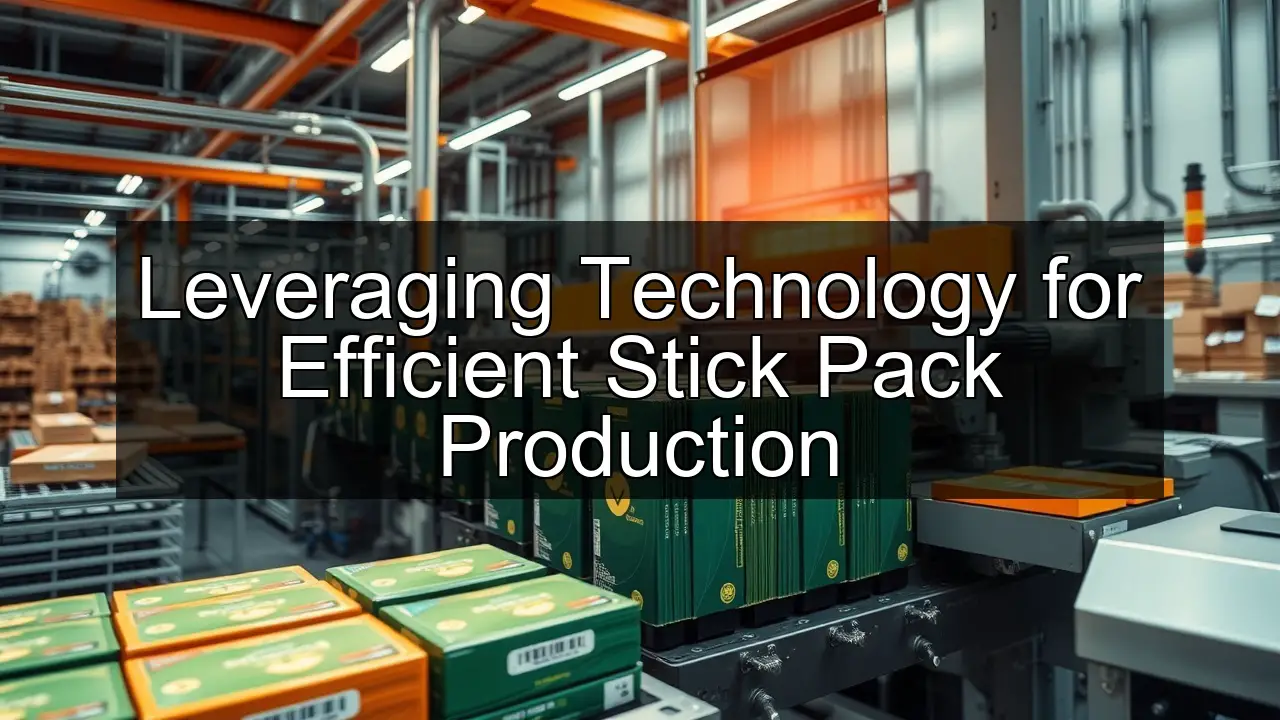
The Evolution of Stick Pack Manufacturing
Overview of Stick Pack Technology
Stick pack manufacturing has revolutionized the way brands deliver products, particularly in the food and nutraceutical sectors. This packaging format consists of single-serving, elongated packages that provide convenience and portability. Stick packs are ideal for various products such as powdered supplements, sauces, and condiments. The design not only enhances user experience but also minimizes waste, making it a sustainable choice in the packaging industry. With advancements in technology, stick packs can now be produced at high speeds, allowing manufacturers to meet increasing consumer demand efficiently.
Historical Innovations in Stick Pack Production
The journey of stick pack manufacturing began in the late 20th century, primarily driven by consumer needs for convenience. Early innovations focused on basic sealing and cutting techniques. Over the years, manufacturers introduced automated machinery that streamlined the stick pack assembly process. Notable advancements include the integration of multi-lane systems, which allowed for higher output and reduced labor costs. These developments paved the way for increased customization, enabling brands to explore unique designs and sizes that cater to various market segments. Today, stick pack production stands on a foundation of continuous innovation, blending traditional methods with cutting-edge technology.
Current Trends in the Stick Pack Industry
Current trends in stick pack manufacturing reflect a growing emphasis on sustainability and consumer preferences. Brands increasingly opt for eco-friendly packaging materials that reduce environmental impact while maintaining product integrity. There is also a notable shift towards personalized and functional designs, allowing companies to differentiate themselves in a competitive market. The demand for health and wellness products fuels the growth of stick packs in the nutraceutical sector. Moreover, manufacturers are leveraging digital printing technologies to create eye-catching graphics that enhance branding and marketing efforts. These trends indicate a dynamic future for the stick pack industry, driven by innovation and consumer engagement.
Integrating Technology in Stick Pack Production
Automation in Stick Pack Assembly
Automation plays a pivotal role in modern stick pack assembly. Advanced machinery can produce thousands of stick packs per hour, significantly reducing production time and labor costs. Automated systems streamline the entire process, from filling to sealing and cutting. This efficiency not only enhances productivity but also minimizes human error, ensuring uniformity and quality across batches. Companies investing in automation also benefit from scalability, allowing them to adjust production levels based on market demand. Furthermore, automated systems can integrate with inventory management software, providing real-time data that helps manufacturers maintain optimal stock levels and reduce waste.
Utilizing Data Analytics for Inventory Management
Data analytics has emerged as a game-changer in stick pack manufacturing, particularly in inventory management. By analyzing sales trends and consumer behavior, manufacturers can forecast demand more accurately. This leads to manufacturing stick pack better decision-making regarding production schedules and inventory levels. Implementing data-driven strategies allows brands to optimize their supply chain, reducing excess inventory and minimizing stockouts. Analytics also aids in identifying the most popular products within the stick pack line, enabling manufacturers to focus resources where they matter most. As the stick pack business grows, leveraging data analytics becomes essential for sustaining competitive advantage and ensuring efficient operations.
Innovative Packaging Materials for Nutraceuticals
The stick pack sector has seen significant advancements in packaging materials, especially for nutraceuticals. Manufacturers are now utilizing innovative materials that offer enhanced barrier properties, preserving product freshness and potency. For instance, multi-layer films with oxygen and moisture barriers extend shelf life, a crucial factor for nutritional supplements. Additionally, biodegradable and recyclable materials are gaining popularity, aligning with consumer preferences for sustainability. Brands can now choose from a variety of materials tailored to their specific products, ensuring that the packaging not only meets compliance standards but also enhances user experience. This innovation in packaging materials reflects the industry's commitment to quality and sustainability.
Quality Assurance and Compliance in Stick Pack Manufacturing
Navigating FDA Regulations for Nutritional Supplements
Quality assurance is paramount in stick pack manufacturing, particularly for nutritional supplements. The Food and Drug Administration (FDA) sets stringent regulations to ensure the safety and efficacy of these products. Manufacturers must adhere to Good Manufacturing Practices (GMP) to maintain compliance. This includes rigorous testing of raw materials and finished products, as well as maintaining detailed records. Companies must also ensure accurate labeling that reflects the product contents and health claims. Navigating FDA regulations requires a thorough understanding of both the legal landscape and industry standards, making it essential for stick pack producers to prioritize compliance in their manufacturing processes.
Implementing Quality Control Measures
Implementing robust quality control measures is vital for maintaining product integrity in stick pack manufacturing. Regular inspections at various stages of production help identify defects and ensure adherence to specifications. Quality control involves testing for seal integrity, fill accuracy, and overall packaging performance. Manufacturers often employ statistical process control (SPC) techniques to monitor production processes in real-time, allowing for immediate adjustments when necessary. By fostering a culture of quality assurance, companies can build trust with consumers, ensuring that every stick pack delivered meets the highest standards of safety and quality.
Sustainability Practices in Packaging and Labeling
Sustainability practices in stick pack manufacturing extend beyond materials to encompass packaging and labeling strategies. Manufacturers are increasingly adopting eco-friendly inks and adhesives that minimize environmental impact. Furthermore, optimizing packaging designs to reduce material usage without compromising quality contributes to sustainability goals. Brands are also focusing on clear and transparent labeling that communicates sustainability efforts to consumers, enhancing brand loyalty. Emphasizing sustainability not only attracts environmentally-conscious consumers but also positions brands as leaders in responsible manufacturing practices, setting a precedent for future developments in the packaging industry.
Branding and Marketing in the Stick Pack Sector
Private Label Opportunities in Stick Pack Production
Private label opportunities within stick pack production offer brands a unique avenue to expand their market presence. Retailers can partner with stick pack manufacturers to create customized products that align with their brand identity. This collaboration allows retailers to offer exclusive nutraceuticals or food items that meet specific consumer needs. By leveraging private label options, brands can enhance their product range while reducing competition on store shelves. The flexibility of stick pack manufacturing enables retailers to experiment with flavors, formulations, and designs, providing a distinct advantage in the marketplace. Ultimately, private labeling fosters brand loyalty by offering consumers unique, high-quality products tailored to their preferences.
Developing Effective Stick Pack Designs
Effective stick pack design plays a crucial role in brand differentiation and consumer engagement. A well-designed stick pack captures attention on store shelves and communicates product benefits clearly. Factors such as color, font, and imagery contribute to the overall aesthetic and functionality of the packaging. Brands should consider the target audience when designing stick packs, ensuring that the packaging resonates with consumer preferences. Additionally, incorporating user-friendly features, such as easy-to-open seals or tear notches, enhances the consumer experience. The success of stick pack marketing hinges on the ability to blend creativity with functionality, ultimately driving sales and brand recognition.
Building Brand Loyalty through Innovative Packaging Solutions
Innovative packaging solutions in the stick pack sector can significantly enhance brand loyalty. Brands that invest in unique and functional packaging create memorable experiences for consumers. For instance, incorporating interactive elements or augmented reality features can engage customers and provide additional value. Furthermore, transparent communication about the sustainability of packaging materials fosters trust and loyalty among eco-conscious consumers. Brands can also leverage social media and online marketing to showcase their unique stick pack designs, encouraging consumer interaction and feedback. Ultimately, innovative packaging solutions not only attract new customers but also reinforce existing relationships, solidifying brand loyalty in a competitive market.