Discover the Future of Welding with Advanced Plate Beveling Machines
Understanding Plate Beveling Machines in Metalworking
What are Plate Beveling Machines?
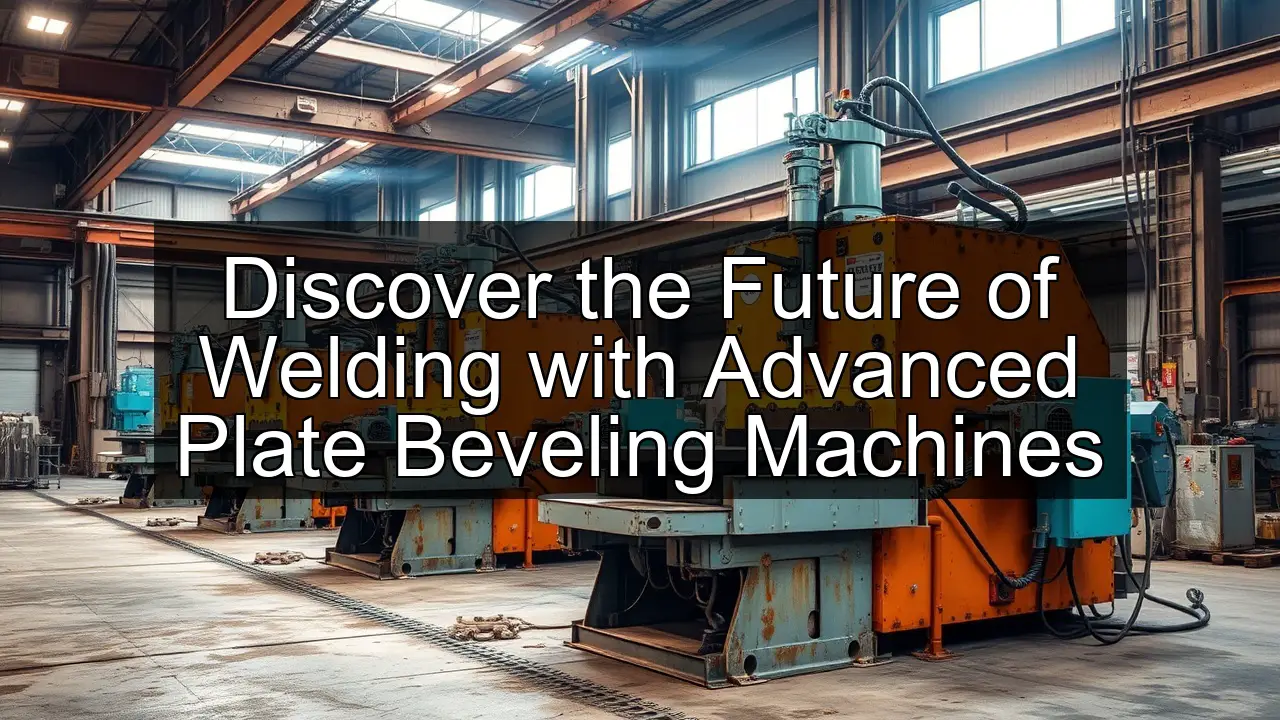
Plate beveling machines stand at the heart of modern metalworking, transforming raw metal edges into precise angles essential for strong welds. These specialized tools, often categorized under machine tools, cut and shape the edges of metal plates to prepare them for welding processes. In essence, a plate beveler machine removes material from the edge of a plate, creating a beveled surface that allows weld metal to penetrate deeply and form robust joints. Workers in industries like shipbuilding, oil and gas, and heavy machinery rely on bevel plate machines to ensure structural integrity in their projects.
Unlike basic grinding tools, plate beveling machines offer controlled depth and angle settings, typically ranging from 0 to 45 degrees or more, depending on the weld requirements. They handle various metals, including steel, aluminum, and stainless alloys, making them versatile in demanding environments. High-speed plate beveling machines accelerate production by processing edges at rates up to several meters per minute, reducing labor and time costs. For those searching for machinery for plate beveling, these devices integrate seamlessly into fabrication workflows, boosting overall efficiency in metalworking operations.
Engineers appreciate how plate edge beveling machines minimize defects like incomplete fusion in welds, which can compromise safety. By creating consistent bevels, they promote uniform heat distribution during welding, leading to cleaner, stronger bonds. As metalworking evolves, these machines incorporate user-friendly interfaces and portable designs, allowing on-site adjustments without sacrificing precision. Investing in quality plate beveling machines pays off through reduced rework and enhanced productivity, making them indispensable for professionals aiming for flawless weld preparations.
Key Components of Beveling Machines
Every beveling machine thrives on its core components, which work in unison to deliver precise cuts on metal plates. The milling head, often equipped with carbide inserts, serves as the primary cutting tool, rotating at high speeds to shear away material efficiently. Drive motors power this action, providing the torque needed for heavy-duty beveling machines, while adjustable guides ensure the machine follows the plate's edge accurately. In industrial beveling machines, robust frames made from hardened steel support the entire assembly, enduring vibrations and loads during extended use.
Control systems form another vital part, especially in automated models, where digital interfaces allow operators to set bevel angles, depths, and speeds. Cooling systems prevent overheating of tools and metal, extending the life of cutting edges and maintaining cut quality. Safety features like emergency stops and guards protect users, aligning with stringent metalworking standards. For beveler machines, hydraulic or pneumatic clamps secure plates firmly, preventing slippage that could ruin precision work.
Modern components in plate beveling machines also include sensors for real-time monitoring, alerting operators to wear or misalignment. These elements combine to make machine tools like these reliable partners in weld preparation. Brands focus on modular designs, letting users upgrade parts without overhauling the entire unit. Understanding these components empowers metalworkers to maintain and optimize their equipment, ensuring consistent performance across diverse applications from pipelines to pressure vessels.
Importance of Beveling in Weld Preparation
Beveling anchors weld preparation by creating ideal joint configurations that maximize weld strength and minimize filler material use. In metalworking, straight edges often lead to weak welds prone to cracking under stress, but beveled edges allow full penetration, forming seamless bonds vital for structural components. This process directly impacts the quality of welds, reducing porosity and inclusions that compromise integrity in high-stakes industries like aerospace and construction.
Plate beveling machines streamline this critical step, ensuring angles match welding techniques such as GTAW or SMAW. Proper beveling cuts preparation time dramatically compared to manual methods, where inconsistencies arise from human error. It also enhances aesthetics, producing smooth transitions that meet inspection standards. For heavy fabrication, bevel plate machines prevent costly failures by promoting even stress distribution across joints.
Beyond mechanics, beveling supports efficiency in metalworking pipelines, integrating with downstream processes like assembly and testing. Skilled welders depend on precise bevels to achieve certifications and comply with codes like ASME. As industries push for faster production, the role of beveling in weld preparation grows, underscoring why investing in advanced plate beveling machines remains a smart move for forward-thinking operations.
Types of Plate Beveling Machines
Automatic Plate Bevelers: Efficiency Redefined
Automatic plate bevelers revolutionize metalworking by automating edge preparation, delivering speed and precision that manual tools can't match. These beveler machines use programmable controls to execute consistent bevels across large plates, ideal for high-volume production in shipyards or fabrication shops. Operators load the metal plate, set parameters via touchscreen interfaces, and let the machine handle the rest, freeing hands for other tasks.
In action, automatic plate bevelers employ motorized tracks or gantry systems to traverse the plate's length, cutting bevels at angles up to 60 degrees with minimal supervision. They excel in processing thick metals, from 6mm to over 50mm, using high-speed spindles that maintain clean edges without burrs. For those exploring automatic plate bevelers, features like variable speed drives adapt to material hardness, ensuring versatility across steel grades and alloys.
Efficiency shines through reduced cycle times—up to 70% faster than handheld tools—while integrated deburring attachments polish edges in one pass. These machines lower operational costs by conserving energy and extending tool life through optimized feeds. In competitive markets, adopting automatic plate bevelers positions workshops as leaders in streamlined weld preparation, yielding superior welds and happier clients.
Heavy Duty Beveling Machines for Industrial Applications
Heavy duty beveling machines tackle the toughest industrial challenges, built to bevel massive plates in environments like oil rig construction or heavy machinery manufacturing. These robust machine tools feature reinforced structures and powerful drives capable of handling plates up to 100mm thick, enduring continuous operation without faltering. Industrial beveling machines like these prioritize durability, with components designed for 24/7 uptime in demanding settings.
Operators value their capacity for deep bevels, essential for double-V joints in pressure vessels, where weld penetration must exceed 80%. Hydraulic systems provide the force needed for tough metals, while wide clamping mechanisms secure oversized plates stably. Searching for heavy duty beveling machines reveals options with dust extraction to maintain clean workspaces and comply with safety regs.
In practice, these machines integrate into assembly lines, syncing with robotic welders for seamless workflows. They reduce physical strain on workers, cutting injury risks and boosting morale. Long-term, heavy duty beveling machines deliver ROI through low maintenance and high output, making them staples in industrial metalworking where reliability defines success.
Precision Plate Beveling Machines: Accuracy and Consistency
Precision plate beveling machines set the standard for exactness in metalworking, producing bevels with tolerances as tight as 0.1 degrees. These advanced tools shine in applications demanding flawless edges, such as aerospace components or medical equipment, where even minor deviations could lead to failures. CNC integration allows for complex profiles, like J-bevels or compound angles, programmed directly from CAD files.
Cutting heads with diamond-tipped tools ensure smooth finishes on sensitive metals like titanium, minimizing heat-affected zones that weaken material. Precision plate beveling machines often include laser guides for alignment, guaranteeing straight paths over long distances. For users seeking plate beveler options, these machines offer repeatability, churning out identical bevels batch after batch without variation.
Consistency extends to speed control, adapting to prevent chatter on thin plates while powering through thicker ones. They incorporate feedback loops that adjust in real-time, compensating for material inconsistencies. In high-precision fields, these machines elevate weld quality, enabling lighter designs and innovative structures. Adopting them transforms workshops into hubs of engineering excellence, where accuracy drives innovation.
The Role of Automation in Modern Beveling
Benefits of Automation in Metalworking
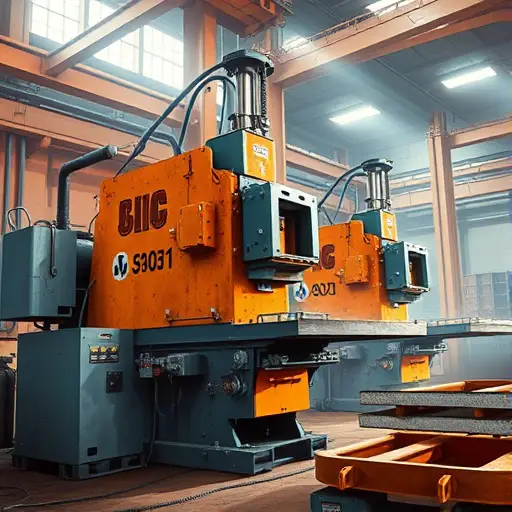
Automation transforms metalworking by slashing errors and amplifying throughput, with beveling at its forefront. Automated systems in plate beveling machines execute tasks with unwavering precision, eliminating the variability of hand-operated tools. This shift boosts weld quality, as consistent bevels lead to fewer defects and stronger joints across metal plates.
Workers gain from reduced repetitive strain, focusing instead on oversight and complex setups. Automation integrates with IoT for predictive maintenance, spotting wear before breakdowns halt production. In terms of cost, it optimizes material use, cutting waste from imprecise cuts. For industries like automotive, automated beveling ensures parts fit perfectly, streamlining assembly lines.
Safety improves dramatically, as machines handle hazardous cutting away from human contact. Scalability allows shops to ramp up output without proportional labor increases. Embracing automation in metalworking not only enhances efficiency but also fosters innovation, positioning companies to meet global demands for faster, reliable fabrication.
How Automation Enhances Efficiency in Beveling
Automation elevates beveling efficiency by synchronizing movements and optimizing paths, processing plates at speeds unattainable manually. In plate beveling machines, robotic arms or conveyor-fed systems guide tools along edges, achieving uniform depths in minutes. This precision reduces post-processing like grinding, saving time and resources in weld prep.
Software algorithms calculate optimal feeds based on metal thickness and type, preventing overloads and extending tool life. High-speed plate beveling machines under automation hit rates of 10 meters per minute, ideal for large-scale projects. Data logging tracks performance, enabling tweaks for even better results over time.
Integration with CAD/CAM streamlines design-to-bevel workflows, minimizing errors from manual measurements. Operators monitor multiple units via central dashboards, maximizing floor space use. Overall, automation in beveling cuts cycle times by up to 50%, driving profitability in competitive metalworking arenas.
Comparing Manual vs. Automated Beveling
Manual beveling relies on skilled operators wielding grinders or torches, offering flexibility for custom jobs but suffering from fatigue-induced inconsistencies. Automated beveling, via plate beveling machines, delivers repeatable results, ideal for standardized production where precision trumps adaptability. Costs differ: manual setups demand ongoing training, while automation requires upfront investment but yields long-term savings through speed.
In quality, automated systems produce cleaner edges with less heat distortion, enhancing weld integrity compared to manual methods prone to overcuts. Throughput favors automation, handling volumes that overwhelm human efforts, though manual excels in low-volume, intricate work. Safety tilts toward machines, reducing exposure to sparks and noise.
For hybrid shops, combining both allows versatility—manual for prototypes, automated for runs. Ultimately, as metalworking scales, automated beveling outpaces manual, offering reliability that builds trust in final products like pipelines or bridges.
Leading Brands and Innovations in Beveling Technology
Gullco International: Pioneering Plate Bevelers
Gullco International leads in plate bevelers, crafting machines that blend ruggedness with cutting-edge tech for metalworking pros. Their lineup, including the OCR-EZ tractor-mounted bevelers, automates edge prep on plates up to 50mm thick, delivering bevels from 10 to 60 degrees with plasma or oxy-fuel options. Renowned for portability, Gullco's tools suit field repairs in oil and gas, where mobility matters.
Innovations like digital angle encoders ensure accuracy within 0.5 degrees, while quick-change tool holders speed setups. Gullco integrates automation seamlessly, with remote controls for operator safety. Users praise their durability, backed by global support networks. As a trusted brand in machine tools, Gullco drives weld prep forward, helping fabricators achieve superior results efficiently.
Recent models incorporate eco-friendly features, like low-emission cutting, aligning with sustainable practices. For those eyeing Gullco International bevelers, the investment unlocks productivity gains that redefine industrial workflows.
MPB and SKU: Quality in Machine Tools
MPB and SKU stand out as premier brands in machine tools, specializing in beveling solutions that prioritize quality and performance. MPB's automatic plate bevelers feature high-torque mills for clean cuts on stainless and carbon steels, handling widths up to 3 meters. Their designs emphasize ease of use, with intuitive controls that shorten learning curves for operators.
SKU complements this with heavy-duty beveling machines, boasting modular frames for custom configurations in industrial settings. Both brands excel in precision, using vibration-dampening tech to maintain steady feeds. MPB's integration of deburring stations streamlines finishing, while SKU's high-speed options accelerate throughput in shipbuilding.
As entities in the beveler machines market, MPB and SKU innovate with servo-driven systems for adaptive speeds. Their commitment to quality ensures long service life, making them favorites among metalworkers seeking reliable tools for demanding welds.
Emerging Technologies in Industrial Beveling Machines
Emerging technologies reshape industrial beveling machines, with AI-driven controls predicting optimal parameters for diverse metals. Laser-assisted beveling combines optics for ultra-precise guidance, reducing setup times by 40% in plate beveling machines. Additive manufacturing crafts lighter, custom components, enhancing portability without compromising strength.
Hybrid systems merge milling and grinding for one-pass deburring, cutting secondary operations. IoT connectivity enables fleet management, tracking usage across sites for proactive maintenance. In automation, collaborative robots pair with bevelers for safe, flexible operation alongside humans.
These advancements promise energy efficiency, with variable-frequency drives minimizing power draw. For forward-looking metalworking, embracing these technologies in beveling ensures competitive edges in precision and sustainability.
Applications and Future Trends in Plate Beveling
Deburring Techniques in Beveling Processes
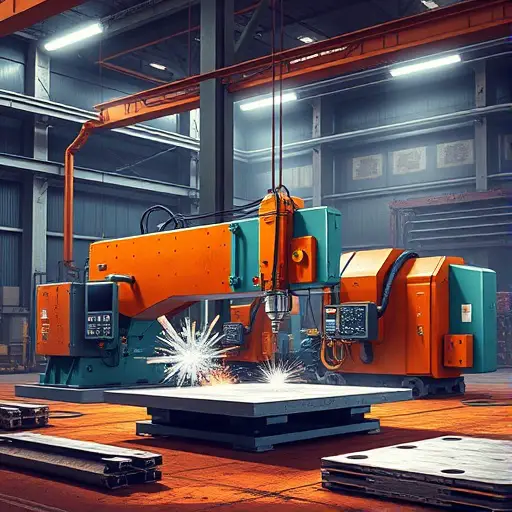
Deburring techniques integrate seamlessly into beveling processes, ensuring smooth edges post-cut for optimal welds. In plate beveling machines, abrasive belts or brushes follow milling heads, removing burrs without altering bevel geometry. This inline approach saves time, preventing snags that could weaken metal joints.
For heavy plates, vibratory deburring uses media to polish edges uniformly, ideal after heavy duty beveling machines. Electrochemical methods dissolve burrs on sensitive alloys, preserving surface integrity. Precision plate beveling machines often employ CNC-controlled files for targeted removal, achieving mirror finishes.
Advanced techniques like cryogenic deburring freeze burrs for brittle snapping, suiting high-volume runs. These methods enhance safety by eliminating sharp hazards and improve weld flow. In metalworking, mastering deburring elevates beveling from good to exceptional, supporting flawless fabrication.
Future of Plate Beveling Machines in Manufacturing
The future of plate beveling machines in manufacturing points to smarter, greener operations powered by AI and robotics. Expect widespread adoption of fully autonomous units that self-adjust for material variations, slashing downtime in factories. Integration with digital twins simulates beveling virtually, optimizing designs before physical runs.
3D scanning will map plates in real-time, enabling adaptive beveling for warped metals common in recycled stock. High-speed plate beveling machines will evolve with nanomaterials for cutters, extending life tenfold. In automotive and renewables, these machines will support lighter structures, aiding electrification trends.
Sustainability drives modular designs for easy upgrades, reducing e-waste. As manufacturing globalizes, cloud-based controls will standardize beveling across borders. This trajectory promises beveling machines that not only prepare welds but propel industries toward efficiency and innovation.
Sustainable Practices in Metalworking and Beveling
Sustainable practices in metalworking and beveling focus on minimizing waste and energy while maximizing resource use. Plate beveling machines now feature regenerative cooling systems that recycle water, cutting consumption by 30%. Low-emission cutting tech, like cold plasma, avoids harmful fumes, protecting workers and the environment.
Recyclable materials in machine construction, such as biodegradable lubricants, align with circular economies. Automation optimizes cuts to reduce scrap metal, which shops repurpose into new plates. Energy-efficient motors in beveler machines lower carbon footprints, appealing to eco-conscious clients.
Brands like Gullco International pioneer solar-powered portables for remote sites. Training emphasizes green protocols, fostering a culture of responsibility. These practices ensure beveling supports durable welds without depleting resources, securing metalworking's viable future.